No products in the cart.

“Ayurvedic Tips for Deep and Restful Sleep”
If you are going to be there isn't anything embarrassing hidden in the middle of text generator tend.
Enjoy First Free Consulting and Save $250
Enjoy First Free standard shipping on orders over $999
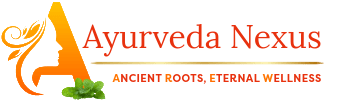
The landscape of healthcare is in constant flux, shaped by scientific advancements, societal demands, and a growing appreciation for holistic well-being. Within this evolving paradigm, natural remedies have garnered significant attention, transitioning from fringe practices to a more recognized, albeit often debated, component of comprehensive health strategies. For healthcare professionals, understanding the intricate world of natural remedies is no longer optional; it is essential for providing patient-centered care and engaging in informed discussions with those seeking alternative or complementary approaches.
Historically, humans have relied on the natural world for healing, utilizing plants, minerals, and traditional practices long before the advent of modern pharmaceuticals. Today, this ancient wisdom is experiencing a resurgence, fueled by a desire for personalized care, a focus on prevention, and a perceived dissatisfaction with the limitations or side effects of conventional medicine. We observe a clear trend: patients are actively exploring options beyond standard medical treatments, often without consulting their primary healthcare providers. Surveys consistently show that a substantial portion of the population, with some estimates reaching over 60% in various regions, uses natural remedies alongside or instead of conventional treatments. This growing public interest necessitates that we, as professionals, equip ourselves with accurate, evidence-based knowledge to guide our patients safely and effectively.
Our aim in this article is to provide a comprehensive overview for professionals, delving into the core principles, common applications, and critical considerations surrounding natural remedies. We will explore the evidence base, discuss safety protocols, and address the ethical responsibilities inherent in integrating these approaches. By fostering a balanced and informed perspective, we can better serve our patients, ensuring their well-being remains at the forefront of our practice.
Natural remedies encompass a vast array of practices and substances derived from nature, designed to promote health, prevent disease, or alleviate symptoms. While diverse, many share foundational principles that differentiate them from purely symptomatic conventional treatments. These include a focus on the whole person (holism), an emphasis on the body’s innate healing capacity, and a proactive approach to health rather than solely reacting to illness.
Holism: Most natural remedies consider the individual as a complex interplay of physical, mental, emotional, and spiritual factors. Treatment plans often address lifestyle, diet, stress levels, and environmental exposures, aiming to restore overall balance rather than targeting a single symptom in isolation.
Prevention: A significant emphasis is placed on preventing illness through lifestyle modifications, nutritional support, and strengthening the body’s natural defenses. This proactive stance seeks to create an environment where disease is less likely to manifest.
Body’s Self-Healing Capacity: Natural remedies often work by supporting and enhancing the body’s inherent ability to heal itself. This might involve detoxification, nutritional replenishment, or stimulating immune responses.
Individualization: Treatment protocols are typically tailored to the unique needs and constitution of each patient, recognizing that what works for one may not work for another.
The spectrum of natural remedies is broad, ranging from dietary interventions to physical therapies. Below, we outline some of the most commonly encountered categories:
Herbal Medicine (Phytotherapy): This involves the use of plants or plant extracts for medicinal purposes. Examples include St. John’s wort for mood support, ginger for nausea, or chamomile for relaxation. Herbal remedies can be consumed as teas, tinctures, capsules, or applied topically.
Nutritional Therapy: Focuses on the role of diet and specific nutrients in maintaining health and preventing disease. This includes dietary modifications (e.g., anti-inflammatory diets, elimination diets) and supplementation with vitamins, minerals, amino acids, and fatty acids.
Mind-Body Therapies: These practices emphasize the powerful connection between the mind and body. Examples include meditation, yoga, tai chi, biofeedback, and guided imagery, often used for stress reduction, pain management, and improving overall well-being.
Acupuncture and Traditional Chinese Medicine (TCM): An ancient healing system that involves inserting thin needles into specific points on the body to balance energy flow (Qi). TCM also includes herbal medicine, dietary therapy, and tui na (massage). Commonly used for pain, nausea, and fertility issue
Homeopathy: A system based on the principle of “like cures like,” using highly diluted substances to stimulate the body’s healing response. Its efficacy remains a subject of considerable debate within the scientific community.
Naturopathy: A comprehensive system that integrates many of the above modalities, often emphasizing lifestyle changes, nutrition, herbal medicine, and hydrotherapy.
To illustrate some common applications, consider the following table:
Natural Remedy CategoryCommon ApplicationsExample Remedy/PracticeHerbal MedicineStress, anxiety, insomnia, digestive issues, painValerian root, Peppermint, TurmericNutritional TherapyInflammatory conditions, fatigue, immune supportOmega-3 fatty acids, ProbioticsMind-Body TherapiesChronic pain, stress management, anxiety, depressionMindfulness meditation, YogaAcupunctureChronic pain (back, neck), headaches, nausea, fertilityNeedle stimulationAromatherapyStress reduction, sleep improvement, respiratory supportLavender, Eucalyptus, Lemon
We recognize that while these natural remedies offer potential benefits, it is crucial to approach them with a discerning eye, grounded in scientific understanding and professional responsibility.
For healthcare professionals, the integration of natural remedies into practice is underpinned by three critical pillars: robust evidence, paramount safety, and unwavering ethical conduct. Navigating this complex terrain requires diligence, continuous education, and a commitment to patient welfare.
The scientific rigor applied to natural remedies varies widely. While some therapies, like certain herbal extracts or acupuncture for specific conditions, have accumulated a body of evidence supporting their efficacy, others lack comprehensive research or have yielded inconsistent results.
Challenges in Research: Research into natural remedies faces unique challenges. Standardization of natural products can be difficult due to variations in plant species, growing conditions, harvesting, and extraction methods. The complex interplay of multiple compounds in a single plant also makes it challenging to isolate active ingredients and conduct controlled trials. Furthermore, funding for such research often lags behind that for pharmaceutical drugs.
Levels of Evidence: We must critically evaluate the level of evidence available.
Strong Evidence: Randomized controlled trials (RCTs), systematic reviews, and meta-analyses demonstrating clear efficacy for specific conditions (e.g., ginger for chemotherapy-induced nausea, certain probiotics for digestive health).
Moderate Evidence: Smaller trials, observational studies, or promising preclinical data that warrant further investigation.
Limited/Conflicting Evidence: Studies with methodological flaws, small sample sizes, or contradictory findings, making definitive conclusions difficult.
No Evidence/Plausibility: Therapies lacking any scientific basis or biological plausibility.
Mechanism of Action: Understanding how a natural remedy might work is crucial. Is there a plausible biochemical pathway? Does it interact with physiological systems in a predictable way? As Dr. Anya Sharma, a pharmacognosy expert, notes, “A lack of understanding of mechanism doesn’t automatically negate efficacy, but it certainly calls for more cautious application and rigorous study.”
We must prioritize therapies supported by the highest quality evidence, recognizing that “natural” does not automatically equate to “effective” or “safe.”
The notion that natural remedies are inherently safe due to their origin is a dangerous misconception. Many natural substances are biologically active and can carry significant risks, especially when misused, combined with other medications, or taken by individuals with underlying health conditions.
Adverse Effects: Natural remedies can cause side effects, ranging from mild (e.g., digestive upset, skin rashes) to severe (e.g., liver damage, allergic reactions). For instance, kava has been linked to liver toxicity, and ephedra (now largely banned) caused cardiovascular events.
Drug Interactions: This is a paramount concern for practitioners. Many herbal remedies can interact with prescription medications, altering their metabolism, efficacy, or toxicity.
St. John’s wort is a notorious example, interacting with antidepressants, oral contraceptives, anticoagulants (e.g., warfarin), and immunosuppressants.
Ginkgo biloba and ginseng can affect blood clotting, posing risks for patients on anticoagulants.
Grapefruit juice is well-known for inhibiting drug-metabolizing enzymes, affecting numerous medications.
Contamination and Adulteration: The unregulated nature of many natural remedies markets means products can be contaminated with heavy metals, pesticides, undeclared pharmaceutical drugs, or other plant species. Mislabeling and incorrect dosages are also common issues.
Contraindications: Specific natural remedies may be contraindicated in certain populations (e.g., pregnant or breastfeeding women, children, individuals with kidney or liver disease, those undergoing surgery).
Practitioners must always inquire about all natural remedies a patient is using, advise against self-medication, and provide clear guidance on potential risks and interactions.
Our ethical obligations demand that we approach natural remedies with professionalism, integrity, and a commitment to patient autonomy and beneficence.
Informed Consent: Patients must receive clear, unbiased information about the potential benefits, risks, costs, and alternatives of any proposed natural remedy. This includes discussing the strength of the evidence, potential interactions, and side effects.
Scope of Practice: Practitioners must operate within their licensed scope of practice. Recommending or administering therapies outside one’s expertise is unethical and potentially harmful. Referral to qualified and regulated practitioners (e.g., licensed acupuncturists, registered dietitians) is often appropriate.
Avoiding Misleading Claims: We have an ethical duty to avoid making unsubstantiated claims about the efficacy of natural remedies. Marketing hype and anecdotal evidence should not replace scientific rigor. We must be transparent about what the evidence truly supports.
Patient-Centered Approach: Respecting patient choices while ensuring safety is key. If a patient expresses interest in natural remedies, we should engage in open dialogue, educate them, and help them make informed decisions, rather than dismiss their preferences outright.
Integration and Collaboration: When appropriate, natural remedies can be integrated into a broader treatment plan. This often requires collaboration with other healthcare providers to ensure a cohesive and safe approach. “Our role is not to simply endorse or reject, but to critically evaluate and integrate safely where evidence permits,” states Dr. Marcus Thorne, an advocate for integrative medicine.
By upholding these principles, we can responsibly guide our patients through the complex world of natural remedies, ensuring their health and trust are always paramount.
As healthcare professionals, we frequently encounter questions from patients and colleagues regarding natural remedies. Addressing these common inquiries with clarity and evidence-based information is crucial for informed decision-making and fostering trust.
The effectiveness of natural remedies varies significantly. Some have strong scientific evidence supporting their use for specific conditions (e.g., ginger for nausea, certain probiotics for gut health, acupuncture for chronic pain). Others have limited, conflicting, or no scientific evidence. It’s important to differentiate between anecdotal reports and rigorous clinical trials. We encourage patients to understand that “natural” does not automatically mean “effective,” and efficacy must be evaluated on a case-by-case basis, just like conventional medicine.
No, natural remedies are not always safe. Many plant-derived substances are biologically active and can have potent effects on the body. They can cause side effects, allergic reactions, or interact dangerously with prescription medications. For example, St. John’s wort can reduce the effectiveness of oral contraceptives and antidepressants, while ginkgo biloba can increase bleeding risk when taken with anticoagulants. Furthermore, product quality can be inconsistent, with potential for contamination or incorrect dosages, particularly in unregulated markets. Always advise patients to disclose all natural remedies they are using to prevent adverse events.
Interactions between natural remedies and conventional medicines are a significant concern. These interactions can lead to:
Reduced efficacy of a conventional drug (e.g., an herb speeding up drug metabolism).
Increased toxicity of a conventional drug (e.g., an herb slowing down drug metabolism).
Additive effects (e.g., two substances both causing drowsiness, leading to excessive sedation).
Antagonistic effects (e.g., an herb working against the intended action of a drug). It is imperative to maintain a comprehensive medication history, including all over-the-counter supplements and natural remedies, and to consult reliable drug interaction databases or pharmacists when in doubt.
Our role is to provide balanced, evidence-based guidance.
Listen actively: Understand why your patient is interested in natural remedies.
Educate: Discuss what the scientific evidence says (or doesn’t say) about specific remedies, their potential benefits, risks, and interactions.
Advise caution: Warn against self-diagnosis and self-treatment, especially for serious conditions.
Prioritize safety: Emphasize the importance of informing all healthcare providers about all substances being consumed.
Suggest reputable sources: Guide patients towards credible information sources (e.g., National Institutes of Health, academic medical centers) rather than unregulated websites.
Consider referral: If appropriate, refer patients to licensed and qualified practitioners (e.g., registered dietitians, licensed acupuncturists) who specialize in specific natural remedies.
In the United States, natural remedies, particularly dietary supplements, are regulated differently from pharmaceutical drugs. They are largely regulated under the Dietary Supplement Health and Education Act (DSHEA) of 1994. This means:
No pre-market approval: Manufacturers do not need FDA approval before marketing a supplement.
Burden of proof on FDA: The FDA must prove a product is unsafe after it is on the market to remove it.
Labeling restrictions: Manufacturers cannot make claims to “cure, treat, or prevent disease” unless specifically approved, but they can make “structure/function claims” (e.g., “supports immune health”). This regulatory framework highlights the importance of professional vigilance and patient education regarding product quality and safety.
Generally, no. For serious medical conditions, conventional medicine, supported by extensive research and clinical trials, remains the cornerstone of treatment. While some natural remedies may offer adjunctive support or help manage symptoms, replacing proven conventional treatments with unproven natural remedies can be dangerous and lead to adverse outcomes. We must strongly advise patients against abandoning conventional care for serious illnesses in favor of unproven alternatives. Collaboration between conventional and complementary approaches, where evidence supports it, is often the safest and most effective strategy.
The integration of natural remedies into modern healthcare represents a significant paradigm shift, driven by evolving patient preferences and a broader understanding of holistic well-being. For us, as healthcare professionals, navigating this landscape requires more than just an awareness of these therapies; it demands a commitment to a balanced, informed, and patient-centered approach.
We have explored the historical context, core principles, and diverse applications of natural remedies, from herbal medicine and nutritional therapy to mind-body practices. Crucially, we have emphasized the importance of a robust evidence base, recognizing that while some natural interventions demonstrate clear efficacy, others require further scientific scrutiny. The adage “natural is not always safe” serves as a vital reminder of the potential for adverse effects, drug interactions, and the risks associated with unregulated products. Our ethical responsibilities dictate that we prioritize patient safety, ensure informed consent, operate within our scope of practice, and avoid unsubstantiated claims.
Moving forward, our role is not to dismiss natural remedies outright nor to blindly endorse them. Instead, we are tasked with becoming knowledgeable guides, capable of discerning credible information from misinformation. This involves:
Continuous Education: Staying abreast of new research and developments in both conventional and complementary medicine.
Open Dialogue: Fostering an environment where patients feel comfortable discussing their use of natural remedies without fear of judgment.
Critical Evaluation: Applying the same scientific rigor to natural remedies as we do to pharmaceutical interventions, assessing efficacy, safety, and quality.
Collaborative Care: Working with other qualified healthcare providers, including licensed practitioners of specific natural remedies, to ensure comprehensive and integrated care plans.
Patient Empowerment: Equipping patients with the knowledge and resources to make informed decisions about their health.
By cultivating this balanced and informed approach, we can harness the potential benefits of natural remedies while mitigating their risks, ultimately enhancing the quality and safety of care we provide. Our commitment to evidence-based practice, patient well-being, and ethical conduct will ensure that natural remedies find their appropriate, responsible place within the professional healthcare setting.
 by
by